
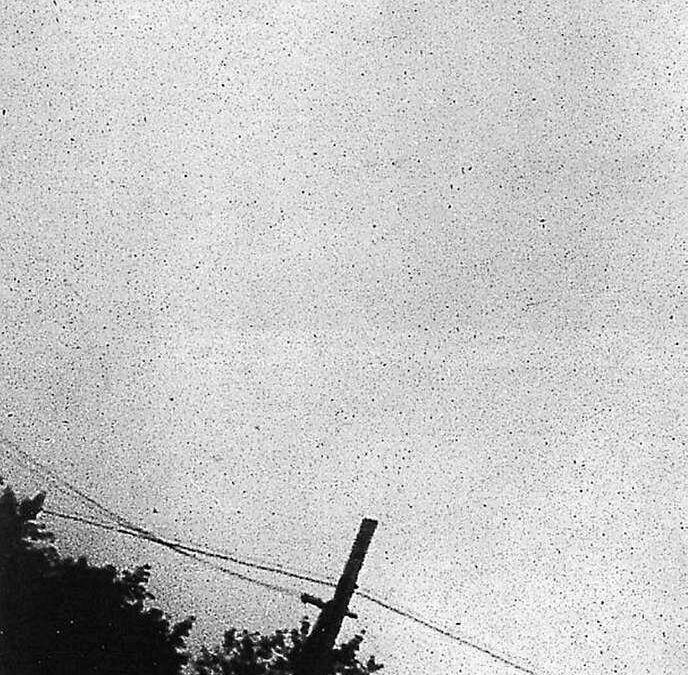
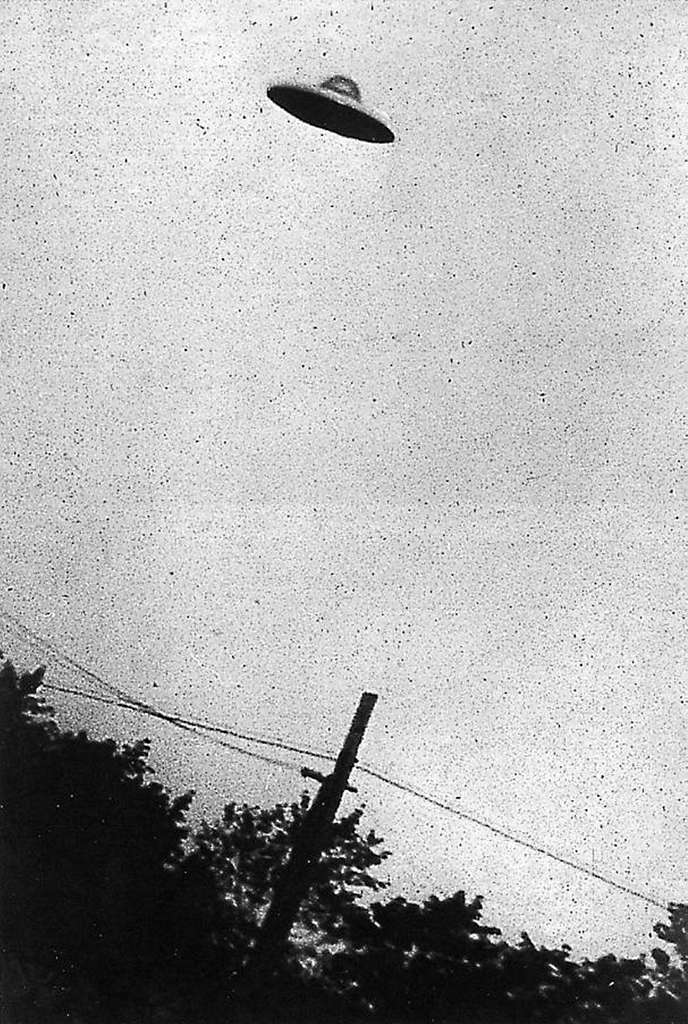
Ordinary Americans have asked one question for decades: are we truly alone in the universe?
Three men with the highest level of government clearance say they already know part of the answer.
Now they are demanding just one thing from President Trump, and it could change what the public gets to hear.
Three Insiders, One Unprecedented Request
The world’s most prominent UFO whistleblowers have formed an unprecedented coalition to ask President Trump to waive their government nondisclosure agreements, which they say are preventing them from sharing what they know about extraterrestrial life with the American public. Dylan Borland, David Grusch and Matthew Brown say they accumulated the information while working in highly classified government programs and are legally barred from discussing it publicly without White House intervention.
Filmmaker and disclosure advocate James Fox spoke to The Post about what makes this moment different from every prior UFO controversy. He said this marks the first time in history that whistleblowers have made a direct public plea, not a private one, to the president of the United States, to have their NDAs waived and have them protected, so they can disclose what they know to the American population, because they feel like it’s that important that everyone should be entitled to know that we’re not alone.
Fox did not hedge on where responsibility for the next move sits.
He said heavyweight whistleblowers are willing to reveal what they know, all they need is immunity from the president, just the stroke of a pen, and Trump has the authority to do it.
The Claims Behind The Push For Disclosure
Congressman Eric Burlison of Missouri has thrown his weight behind the group. Burlison voiced support for the administration and is a staunch ally of the UFO whistleblowers.
Burlison told The Post that Trump has already demonstrated that he’s willing to be more transparent to the American people than any president in American history. And Burlison went further, arguing that each of these tranches of releases the administration has produced, even just one of the documents in one of the tranches, would have been a monumental moment in UAP history prior to the Trump administration.
But there’s a catch, and it’s the whole reason this coalition exists in the first place. The administration announced a new legal waiver allowing current and former government personnel to report UFO and alien-related information to the federal government, but only through the Presidential Unsealing and Reporting System for UAP Encounters, not for disclosure to the public.
That distinction matters enormously to men like Dylan Borland. Borland, an Air Force veteran, testified to Congress in 2024 that he witnessed a massive triangular UFO hovering and maneuvering over a NASA hangar for several minutes before it zoomed off into the sky in the flash of an eye.
Borland says he’s ready to tell the country everything, but only if Trump personally clears the path. He told The Post that disclosure has to come from President Trump, that Trump needs to rip the Band-Aid off himself and confirm that we’re not alone, and that the government has recovered materials and entities, biologics.
Matthew Brown brings a different piece of the puzzle. Brown was an independent contractor for the defense industry who came forward on the Weaponized Podcast in early 2026 to reveal details about an alleged secret government program called Immaculate Constellation, which collects data on UFOs from across the government.
Not every lawmaker close to this fight is pushing for the same outcome, and that’s worth sitting with for a second.
Congresswoman Anna Paulina Luna of Florida chairs the House Task Force on the Declassification of Federal Secrets, and her emphasis has been a step removed from immediate public disclosure. Luna said her focus has been on protecting whistleblowers rather than pushing for public release.
Luna explained her reasoning directly. She told The Post that heading up the Declass Task Force she quickly discovered a lot of these whistleblowers were scared to go public in fear of retribution, so she made efforts to secure whistleblower protections as a top priority, and she is hoping that with these new measures in place people will feel safer to come forward.
David Grusch, the former Air Force intelligence officer whose testimony helped ignite this entire national conversation, has made claims that remain contested at the highest levels. Grusch alleged that secret UAP programs had operated outside normal congressional oversight, although the Pentagon has rejected his central claims. That dispute alone tells you this story is far from settled.
What This Means For Trump’s Promise Of Disclosure
Trump made transparency on this issue part of his own record well before this coalition ever formed. In February 2026, Trump directed relevant departments and agencies to identify and release government files connected to alien or extraterrestrial life, UAP and UFOs, and the resulting interagency effort, known as PURSUE, began releasing records in May.
Luna had been building toward this moment for more than a year. She has pushed for whistleblower protection since February 2025, when she was named to lead the House Task Force on the Declassification of Federal Secrets. And by mid 2026 she wanted more, telling reporters there was a list of people she wanted the White House to grant immunity so they could describe claimed recovered nonhuman craft or biologics.
But Trump’s current directive stops short of what Luna and this new coalition are actually asking for. Trump’s directive addresses the NDA piece, but it is not amnesty and not immunity from prosecution, which was her central demand.
That gap between what the administration has already done and what these three men say they still need is the entire story here. Nobody in this piece is accusing Trump of stonewalling. Burlison openly credits him with more transparency than any predecessor. Yet the whistleblowers themselves are saying the current system, built for reporting up the chain to the government, still leaves them legally exposed the moment they try to speak to the American people directly.
This isn’t a fringe conversation anymore. It’s members of Congress, decorated veterans, a former intelligence officer and a documentary filmmaker all converging on the same ask: a signature from the president that would settle, once and for all, whether the government has been sitting on physical evidence of something not built on this planet.
Whatever the objects these men describe turn out to be, whether classified American technology decades ahead of anything publicly known, a foreign adversary’s program that would represent a serious national security concern, or something with no terrestrial origin at all, the American public has a stake in knowing. The origin remains genuinely unresolved. What isn’t unresolved is that men who held some of the most sensitive clearances in the federal government are now saying, on the record, that only one man can unlock what they know.
Trump built his political brand partly on the promise that he wouldn’t let entrenched bureaucracies keep secrets from the people who pay for them. This is about as direct a test of that promise as it gets. And it lands at a moment when the administration has already shown more willingness to release UAP material than any before it, which makes the remaining gap between government reporting and public disclosure even harder to explain away.
Whether Trump reaches for that pen remains to be seen. But the men asking him to do it aren’t hiding in the shadows anymore. They’ve put their names, their records and their reputations on the line in public, and they’re waiting for an answer.
Sources: New York Post; House Committee on Oversight and Government Reform; DefenseScoop; Wikipedia, “United States UFO files”
Stay connected