
As the drive for more secure elections becomes a major topic of national debate, Democrats in the House and Senate have united against any new federal guidelines or restrictions, as they fear this will disproportionately affect their constituents.
Yet Republicans have answered Trump’s demand that a national standard for election integrity be adopted by all 50 states to prevent any election interference or fraud.
Now Senator Schumer is scrambling for a new option after Republicans dropped this bombshell.
The SAVE America Act cleared the House with unified Republican support — a notable show of party cohesion in a deeply divided chamber — and only one Democrat voted in favor: Texas Rep. Henry Cuellar.
One Minnesota Republican aimed nearly every Democrat in the House after they voted against the Safeguarding American Voter Eligibility (SAVE America) Act last week.
The measure — commonly referred to as the SAVE Act — would require voters in federal elections to present a government-issued photo ID that confirms U.S. citizenship.
An earlier version of the legislation passed the House the previous year with backing from four Democrats, suggesting that bipartisan support has narrowed over time.
The updated proposal expands on the earlier bill.
In addition to establishing a federal proof-of-citizenship requirement during voter registration and directing states to maintain accurate voter rolls, the new version mandates photo identification for casting ballots in federal races.
According to the bill text, the identification presented would need to verify both identity and citizenship status.
Democratic leaders have sharply criticized the legislation.
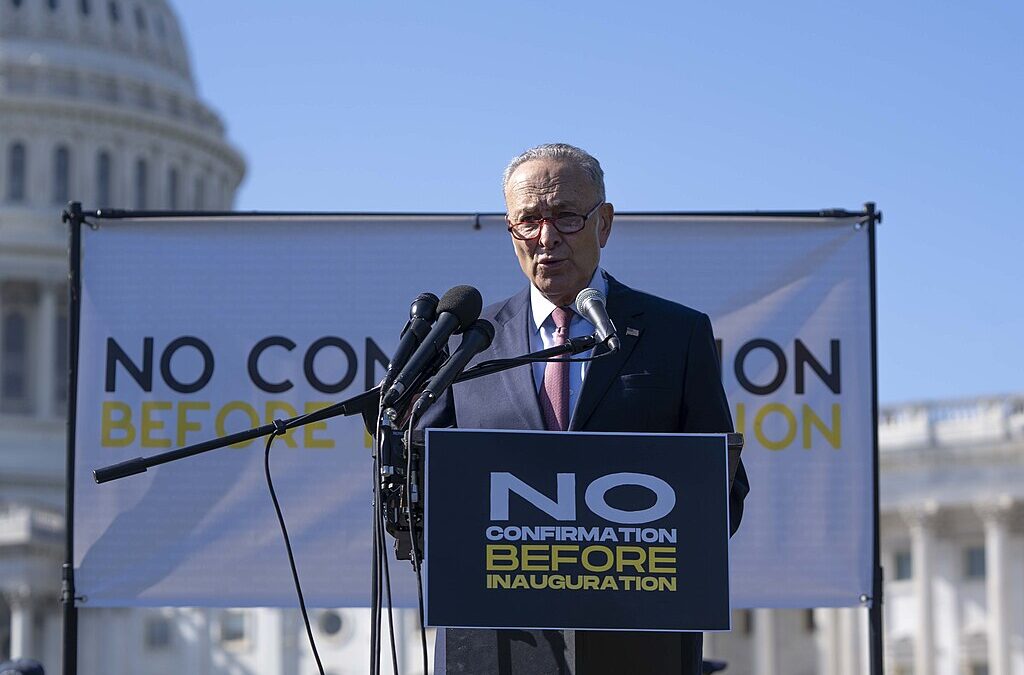
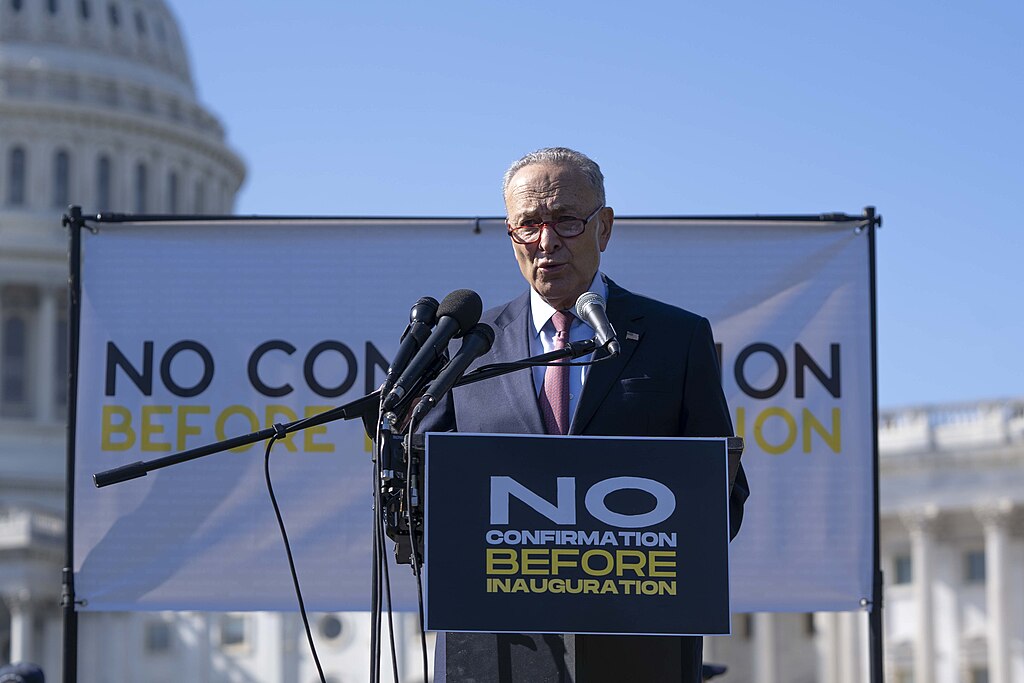
House Minority Leader Hakeem Jeffries labeled the bill an effort at voter suppression, while Senate Minority Leader Chuck Schumer compared it to discriminatory voting laws from the past, calling it a “modern-day Jim Crow.”
Jeffries has also objected to a provision that would permit the Department of Homeland Security to begin removal proceedings if a noncitizen is discovered on a state’s voter registration list.
He warned that such authority could be misused and expressed concern about federal overreach into state election administration.
Supporters of the measure counter that voter ID laws enjoy broad public backing.
House Majority Whip Tom Emmer (MN) is charging that Democrats are applying a double standard when it comes to voter identification requirements, arguing that their opposition to a new Republican-backed election bill clashes with rules they support in other settings.
Emmer criticized Democratic lawmakers for describing the proposal as voter suppression.
In his view, identification requirements are already commonplace in American life and widely accepted by the public.
He questioned why similar concerns are not raised about showing ID at airports or other routine checkpoints if requiring identification at the polls is considered restrictive.
As part of his argument, Emmer pointed to last year’s Democratic National Convention in Chicago, where attendees were required to present identification to enter the event and watch then–Vice President Kamala Harris accept her party’s presidential nomination.
He said it was inconsistent for Democrats to mandate ID for entry to a political gathering while resisting voter ID requirements in federal elections.
Chuck Schumer has been unable to explain why women and racial minorities were able to attend the DNC without problem, but would be unable to produce the same sort of identification to cast their votes.
Polling data in recent years indicates strong bipartisan support for requiring government-issued photo identification at the polls.
An August 2025 survey from the Pew Research Center found that 83% of respondents favored such requirements, while only 16% opposed them.
Similarly, an October 2024 poll conducted by Gallup reported 84% support for photo ID mandates in federal elections.
With the bill now through the House, its future in the Senate remains uncertain.
The debate highlights a familiar partisan divide over election policy, with Republicans framing voter ID as a common-sense safeguard and Democrats warning it could create barriers for eligible voters.
West Wing Daily will keep you up to date on any new developments in this ongoing story and the rest of the breaking news in politics. Please bookmark our site, make us your homepage, and forward our content to your friends on social media and by email.
Stay connected