
Conservatives have been fighting this battle for nine decades.
The Democrat Party kept winning — until it didn’t.
And now the Trump just dropped one legal bombshell that ended this massive democrat assault.
What Solicitor General Sauer Told Congress
The Department of Justice formally notified Congress it will not appeal a ruling that ended paperwork and registration requirements for suppressors. Solicitor General D. John Sauer put it in writing in a letter to lawmakers, telling them the DOJ would let the ruling stand.
“The Department of Justice has determined not to file an appeal,” Sauer wrote, noting that the court had also foreclosed the use of the commerce clause to justify the registration and paperwork requirements.
That sentence — short, dry, bureaucratic — represents something American gun owners haven’t seen in their lifetimes. The federal government walked away from a fight it started nearly a century ago.
United States District Judge James Wesley Hendrix of the Northern District of Texas, a Trump appointee, handed down the underlying ruling on August 5, striking down the National Firearms Act requirements on the grounds that reducing the transfer tax to $0 rendered the registration and processing requirements of the NFA unconstitutional.
Hendrix ruled that since taxes on suppressors, short-barreled rifles, short-barreled shotguns and other items had been reduced to $0 by legislation signed by President Donald Trump in July 2025, the registration and paperwork imposed by the NFA exceeded Congress’ authority under the taxation power.
The logic is clean. If the entire NFA registration structure existed to enforce a tax, and Congress zeroed out that tax, the structure has no constitutional leg to stand on. Hendrix said so plainly, and neither the Fifth Circuit nor the DOJ gave him an argument in response.
How the One Big Beautiful Bill Teed Up the Court Victory
Representative Andrew Clyde (R-GA) authored the legislation that eliminated the NFA tax on suppressors, short barrels, and AOWs in the One Big Beautiful Bill Act, H.R. 1. That bill passed Congress and President Trump signed it into law in July 2025. The tax went to zero. Gun Owners of America and the Silencer Shop Foundation went to court. Judge Hendrix followed the constitutional logic wherever it led.
Gun Owners of America Senior Vice President Erich Pratt said in a statement: “GOA fought to crush the NFA’s unconstitutional restrictions through the One Big Beautiful Bill, but we didn’t stop there. We promised to keep fighting until these restrictions were gone, and now our members are putting the historic victory into action. The era of federal registration for constitutionally protected arms must end.”
And after Hendrix issued his ruling, Clyde led nearly 50 House and Senate Republicans in urging Attorney General Todd Blanche to let it stand and expand it nationwide. The DOJ listened.
After Hendrix’s stay expired on August 12, at least two suppressors were transferred without going through the ATF’s Form 4 process. Those transfers happened at midnight at Silencer Shop’s storefront in Leander, Texas. The devices went to Texas State Representative Wes Virdell (R) and Congressional candidate Brandon Herrera (R) after they formally notified DOJ and ATF in writing of their intent to complete the transfers without NFA registration.
Those were the first lawful unregistered suppressor transfers since the NFA became law on June 26, 1934.
What This Ruling Actually Changes — and What It Doesn’t
The ruling covers a defined set of people, not the entire country. The permanent injunction is party-specific, not nationwide. It protects members of GOA and five other organizations, customers of B&T USA, Palmetto State Armory, SilencerCo Weapons Research, and Hot Shots Custom, plus 15 plaintiff states’ agencies.
Machine guns and destructive devices keep their $200 tax and full NFA coverage, dealer transfers still require a 4473 and NICS check, and the eight state suppressor bans are untouched.
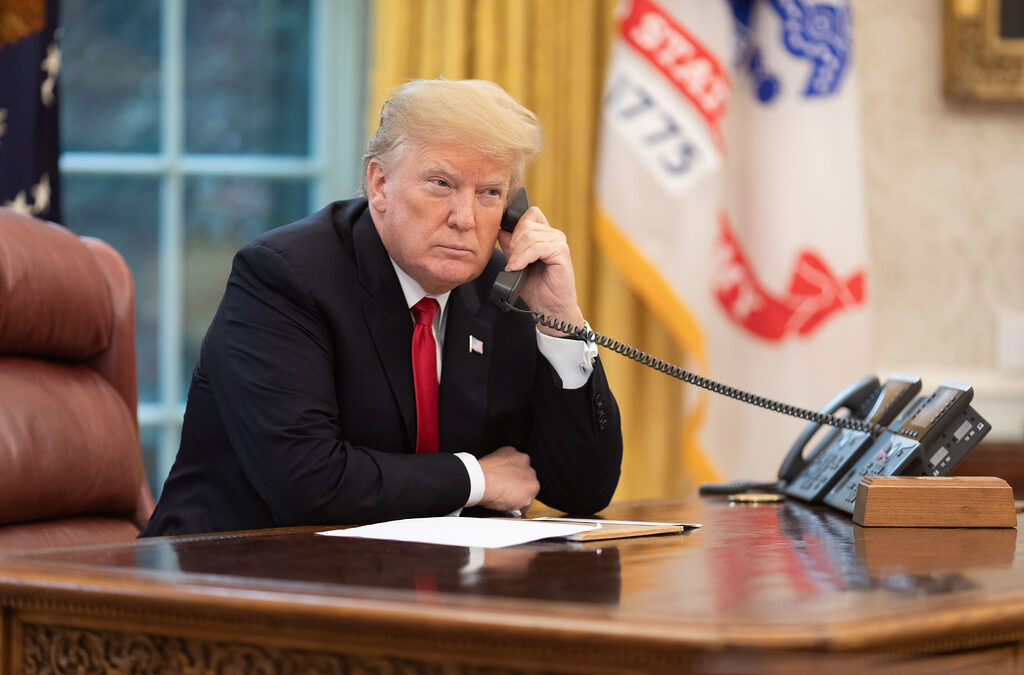
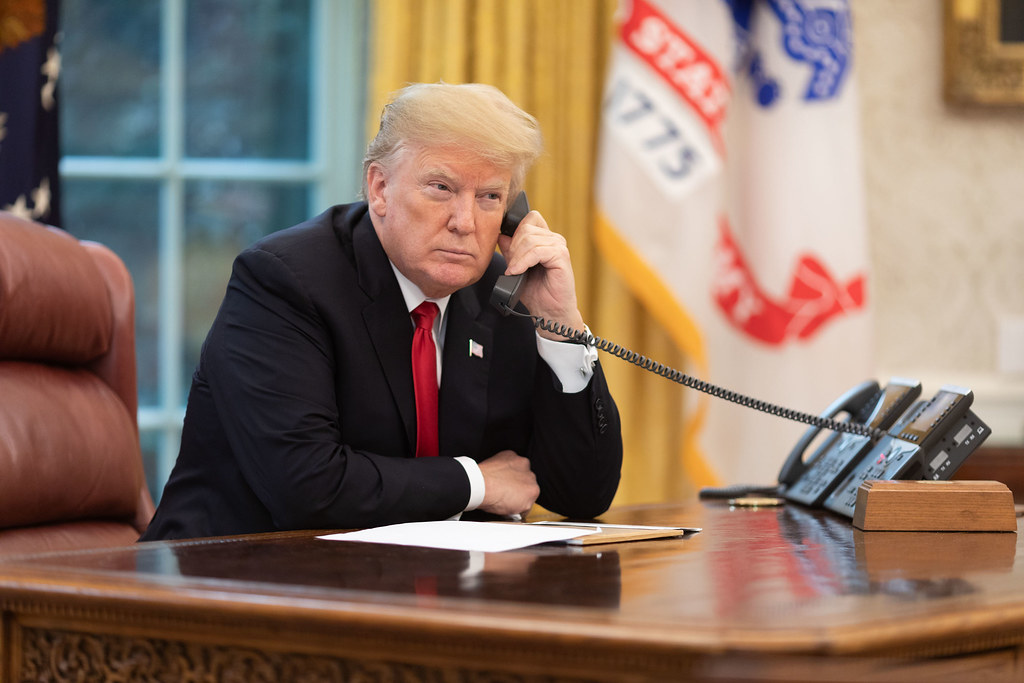
But the Sauer letter locks something in. The DOJ putting its refusal to appeal in writing to Congress means the ruling stands as settled law for those it covers. That is not a temporary condition. CBS reported that President Trump personally directed the Justice Department not to appeal Hendrix’s ruling, and that he told Republican members of Congress he would keep DOJ from contesting it.
The latest figure posted on the agency’s website indicates that as of September 3, over 6.9 million suppressors were registered in accordance with the National Firearms Act. The National Shooting Sports Foundation reported in June that at least 6.1 million suppressors were privately owned. The suppressor market is enormous. The government has spent decades treating law-abiding owners of those 6-plus million devices as a bureaucratic processing problem. That era is now closing, at least for everyone inside the injunction’s reach.
There’s a broader constitutional point buried here that the gun-control crowd doesn’t want amplified. The United States Court of Appeals for the Fifth Circuit ruled in Comeaux v. United States that suppressors fall under the category of “arms” and are protected under the Second Amendment, but that the NFA operates akin to a “shall issue” concealed-carry permit law, in which authorities must grant the permit if certain criteria are met, and allowed a conviction for possessing an unregistered suppressor to stand. The Fifth Circuit hasn’t gone all the way yet — but the direction of travel is unmistakable.
Gun-rights advocates have spent years trying to move suppressor policy through Congress with limited success. What the legislative process couldn’t fully deliver, the combination of a Trump-signed tax cut and a constitutionally grounded lawsuit produced. The NFA’s taxation justification collapsed the moment the tax disappeared.
None of this happened by accident. Clyde spent years on the House Appropriations Committee working to eliminate NFA registration for suppressors and short-barreled firearms through the spending process while simultaneously pushing to cut the underlying tax. GOA built a legal coalition and had the lawsuit ready. The One Big Beautiful Bill gave them the trigger to pull. And then Judge Hendrix pulled it.
The left will argue that suppressors are dangerous accessories that help criminals. That is the same argument they use against everything protected by the Second Amendment. Suppressors protect hearing. Hunters use them. Competitive shooters use them. Range instructors use them. The overwhelming majority of suppressor owners are law-abiding Americans who went through years of paperwork, paid the government $200 for the privilege, and waited months for federal permission to own a device that reduces noise.
That nine-decade regime is now, for at least millions of Americans connected to the plaintiffs and covered organizations, finished.
Whether the next step is a nationwide rule from ATF or a broader court ruling that extends coverage beyond the current injunction remains open. GOA has made clear it intends to keep fighting. Congress has signaled it wants the ruling applied broadly. And the Trump DOJ just confirmed in writing that it won’t stand in the way.
For 65-plus years, the NFA stood as proof that the federal government could build a bureaucratic wall around a constitutional right and dare anyone to knock it down. A Texas judge knocked it down. The DOJ stepped aside. And for the first time since Franklin Roosevelt was in office, Americans covered by this ruling can walk into a gun shop and buy a suppressor the same way they buy any other firearm.
Sources: The Daily Caller; Gun Owners of America; Congressman Andrew Clyde press release; Silencer Shop Foundation; The Reload
Stay connected