
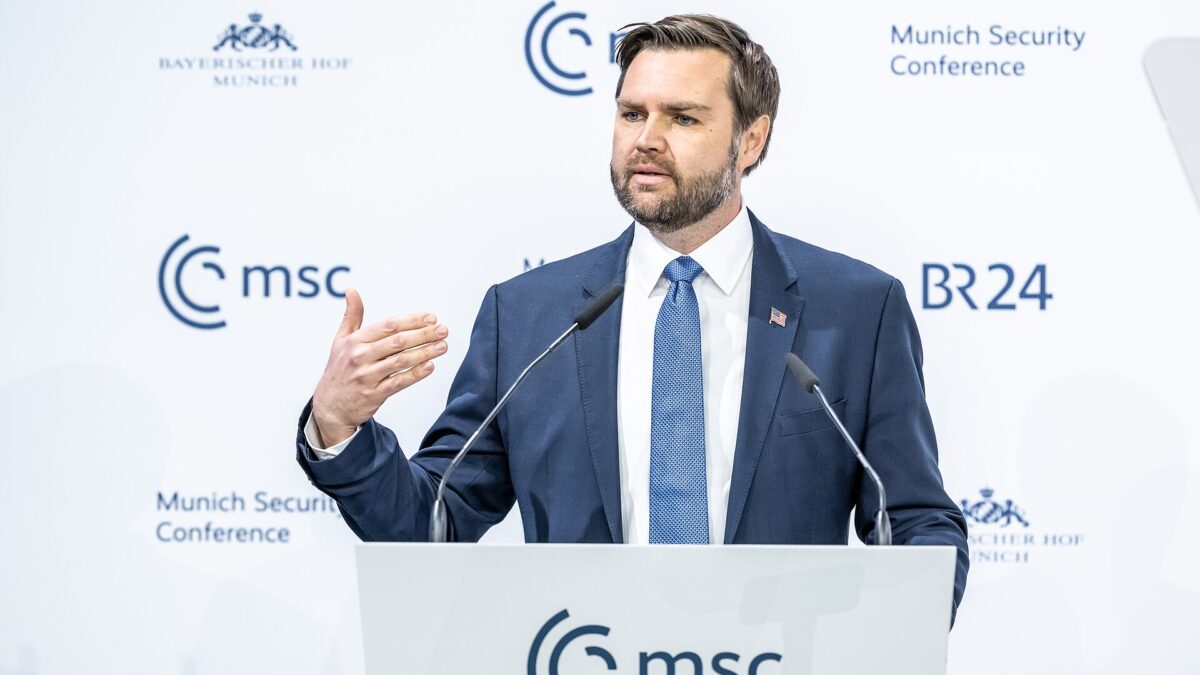

JD Vance’s phone keeps lighting up with friendly advice to skip 2028, and plenty of it smells like the Republican checkbook crowd.
The donors swear they just want a nominee who can actually win.
And Vance’s own camp just named the grudge driving the whole whisper campaign against him.
A Rooftop Toast Turned Into a Pile of Anonymous Leaks
In early October, dozens of former staffers from JD Vance’s Senate and vice-presidential offices packed the rooftop of the Hay-Adams, the historic hotel a few blocks from the White House, for a networking dinner.
Luke Thompson, the longtime adviser who ran a pro-Vance super PAC, stood up over dessert to thank the room. “Who knows,” he quipped, according to people who attended, “maybe in the future we’ll get to work together.”
Less than a month later, Democrats swept the midterms. They flipped seven Republican Senate seats, including the Ohio seat Vance once held, and grabbed governorships in Georgia and Texas.
Then the leaking started.
On Election Day, a longtime confidant texted Vance a suggestion that he think about sitting out the next presidential race. Within 24 hours of the polls closing, a veteran New York fundraiser was taking calls from deep-pocketed donors who all said some version of the same thing. They couldn’t get behind Vance in 2028.
Those donors tossed out Florida Governor Ron DeSantis and a few other names as alternatives. Their stated fear goes like this: anybody from inside the administration looks too tied to President Trump and too bruised by the midterms.
The Wall Street Journal packaged all of it into a long story on Vance’s future, and the paper built nearly every paragraph on people who wouldn’t put their names to anything. Six people close to Vance told reporters he hasn’t made up his mind. Another source said Vance once texted an ally that he didn’t know whether he’d even bother with a campaign. One acquaintance called him a “doomer.”
The Vice President’s private moods sure find their way into print fast.
And somebody keeps making sure they do.
Vance’s Camp Named the Grudge Out Loud
But the most honest line in the whole piece came from Vance’s own corner. People close to him told the Journal that donors were always going to gripe about Vance, because those donors prefer more traditional, old-guard Republicans.
Old guard. Chew on that one for a second.
The old guard ran the Republican Party from the Bush years right up until Donald Trump crashed the party in 2016. It pushed amnesty for illegal aliens in 2013, cheered trade deals that shipped factory jobs to Communist China, and sold one Middle East war after another with no exit in sight. The donor class loved every bit of it, since cheap foreign labor pads the margins and endless wars keep the contractors busy.
JD Vance opposes all three. He wants the border shut, the factories back, and the troops home. That’s the grudge, and it started long before anybody cast a ballot in 2026.
Brian Kilmeade made the same point on Fox & Friends the morning after the election, only from the donors’ side of the table. “It doesn’t matter if the president anoints him or not,” Kilmeade said. “The big money is going to only back contenders who could actually win.”
He’d already told viewers that if Republicans had rolled from 2024 into 2026, “money rallies around him and he gets through. I think this is wide open now.”
See how that works? The big money doesn’t predict who can win. It decides, then pipes the verdict out through friendly hosts and nameless fundraisers until the candidate starts to believe it. And Kilmeade, a reliable cheerleader for the war from that same morning couch, skipped right past the question of who sold the war to the public in the first place.
Then there’s the name the donors floated. On the eve of the election, DeSantis told Stephen A Smith on SiriusXM that gas prices are “higher because of this conflict. That’s just a fact.” He later told Laura Ingraham the midterms were “a rebuke of the president and the Congress.”
Maybe some donors just like the Florida record. Fine. But DeSantis reads the war the same way Vance does, so the “too tied to the midterm mess” excuse falls apart on contact. If the war really bothered the checkbook crowd, they’d be thanking Vance for calling it early.
Vance Warned the White House Before the First Shot
The donor whispers skip that part entirely. In January, with President Trump weighing a major military operation against Iran, Vance privately urged him not to give up on diplomacy, according to text messages the Journal reviewed.
Vance didn’t stop there. He personally reached out to Mark Mitchell, then the head of polling at Rasmussen Reports, and asked him to add questions about a possible war to a survey Mitchell already planned to run. Vance’s office suggested the topics and the questions. Vance didn’t pay a dime for it.
The results read like a forecast of the midterms. Americans split 44 percent to 43 percent on going to war at all. Sixty-two percent said an acceptable number of American combat deaths would fall under 100. And 65 percent said Trump should get Congress to sign off before sending the country to war.
The neoconservative wing won the argument anyway. The hawks pressed the President hard, promised a quick victory, and got their fight. By Election Day, NBC News exit pollsters found 63 percent of voters calling the military action against Iran the wrong decision, the same sour public mood Mitchell’s numbers flagged ten months earlier.
Trump has since acknowledged the war deserves part of the blame. Vance wrote a lengthy essay after the election pinning the losses on the war and urging Republicans to change their relationship with Israel. Donald Trump Jr publicly endorsed it.
But nobody in the donor class leaked a word about Don Jr’s judgment. The anonymous fire only travels in one direction, straight at the man most likely to carry America First into 2028.
The Checkbook Crowd Already Talked One Frontrunner Out of a Race
None of this is new. In January 2015, Mitt Romney told a room of former donors in New York that he still wanted to be President. He led the Republican field, 20 percent to Jeb Bush’s 11 percent in the RealClearPolitics average.
But the money had other plans. Several of Romney’s past major donors told the Associated Press they’d gone over to Bush. David Kochel, the strategist who ran Romney’s Iowa operation twice, signed on with the Bush team. Romney pulled the plug on January 30, 2015, and even noted in his statement that he still led the polls.
Romney was the donors’ own man, the 2012 nominee they hauled over the finish line past scrappier conservatives. They still shoved him aside the moment a better-connected favorite came calling. A Marine from Middletown who wants to end their wars and shut down their labor pipeline shouldn’t expect half that courtesy.
The donors don’t need to beat Vance in a primary. They only need to talk him out of entering one. Every leaked text, every “doomer” quote, and every friend floating a cozy return to Ohio as Senator or Governor pushes in that direction. Vance turned down both Ohio ideas, according to the Journal.
And the leaks keep coming because the polls won’t cooperate. Even the Journal conceded that Vance consistently leads his potential Republican rivals, with name recognition no governor can buy.
Democrats Collect the Prize if the Donors Get Their Way
Democrats would love nothing more than a Republican Party run by its old landlords again. The party that just took governorships in Texas and Georgia now eyes states Republicans once counted as safe, and mass migration has reshaped the electorate in places like Texas in ways the GOP establishment never wanted to discuss.
Every Democrat win feeds the party’s socialist wing. Senator-elect Abdul El-Sayed (D-MI) won on a Medicare for All platform. Senator-elect James Talarico (D-TX) won in Texas. Each gain drags the party closer to government-run health care, higher taxes, and amnesty.
And the old guard’s answer to losing Hispanic voters never changes. It offers amnesty dressed up as outreach, which would hand Democrats a brand-new voter base and lock in their edge for a generation.
The usual voices have joined the chorus. Ben Shapiro, who backed DeSantis over Trump in the 2024 primary and has pushed for confrontation with Iran for years, called a Vance candidacy “a rough road.” Jonah Goldberg, a longtime Trump critic, called Vance “the biggest single loser last night.”
Trump hasn’t endorsed a successor. “Maybe he won’t run,” the President said of Vance. “I don’t know who’s going to run.”
People close to Vance say he’ll decide on his own timeline, and that if he does run, he’d rather win a competitive primary than get handed the nomination. That’s a man who wants voters to make the call. The donors want the call made before voters ever get a turn.
On January 30, 2015, Mitt Romney walked away from a race he was leading after his donors told reporters they’d moved on. Less than five months later, Donald Trump rode down the escalator at Trump Tower.
<small>Sources: The Wall Street Journal, Philip Wegmann and Natalie Andrews, report on JD Vance’s 2028 deliberations after the 2026 midterms; Media Matters for America, “Some right-wing media figures say midterm losses are a death knell for a JD Vance 2028 run” (November 4, 2026); Associated Press via Peninsula Daily News, “Former GOP nominee Romney will not run for president in 2016” (January 30, 2015); CNN, “Mitt Romney exit widens path for Jeb Bush” (January 30, 2015); PhillyVoice/Reuters, “Romney rules out another presidential run” (January 30, 2015); NBC News 2026 midterm exit polling.
Stay connected